Attuning to the Fall Season: Perspectives from Traditional Chinese Medicine

There is a distinct crispness in the air. The days are gradually getting shorter, trees are starting to show their vibrant reds, yellows and oranges and wildlife is either beginning their seasonal migration or gathering stores in preparation for winter. There is the seasonal abundance of apples, pears, root veg, alliums and squash. We are winding down from the high Yang, expansive energy of the Summer and and entering into the declining, introspective and more Yin season of Fall.
In TCM, as part of 5 element theory, the Metal element governs the Lungs and Large Intestine organ systems, including the upper and lower respiratory tract as well as the skin. The Metal season embodies emotions of melancholy and grief, with sadness being a natural tendency of the Metal element and Lungs. As with the trees dropping their leaves, Fall is a season for letting go, self reflection and time to process what no longer serves as we prepare our body-mind-spirit for the deep Yin season of Winter.
Nourish & Protect the Lungs
In TCM, the Lungs are considered the “tender organ” because of their direct contact with the external environment, hence, making them particularly vulnerable to dryness and external pathogens (viruses, bacteria, dust, mold, pollen, etc.) during the seasonal transition. The Lungs are responsible for respiration and more importantly, the circulation of an invisible force field of Wei or Protective Qi, which serves as our immune system that prevents the invasion of these pathogens into deeper layers of our bodies. Therefore, the Lungs are a key organ for maintaining overall health as the days get cooler. Here’s how you can nourish and protect your Lungs during the fall:
Practice deep breathing exercises
Exercises such as Qi Gong or diaphragmatic breathing, in order to strengthen the Lungs and support their function. Breathing exercises promote the smooth flow of Qi and help to move any stagnation or blockages in the chest.
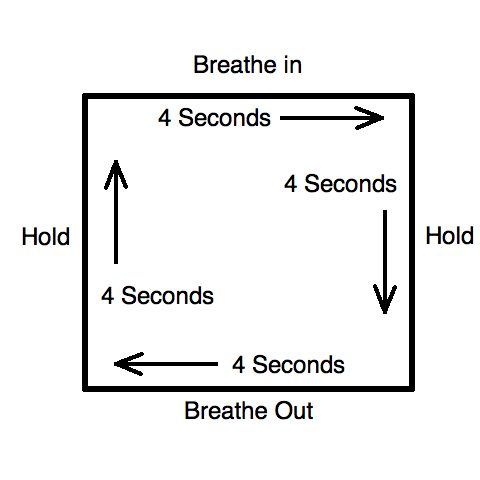
For instance, this simple Box Breathing technique, inhaling through the nose and exhaling through the mouth is a great way to invigorate the Lungs as well as keeping you grounded through the seasonal transition
Stay Hydrated
Our “tender organ” the Lungs are vulnerable to dryness, which can lead to dry skin and throat and cough. During the Fall season, drinking plenty of fluids, especially warm water and herbal teas, can help keep our Lungs moist and prevent them from drying out. Avoid cold or icy drinks, which shocks the interior and weakens the digestive system.
Support the Large Intestine
The Large Intestine, paired with the Lungs, is responsible for elimination and letting go of waste, both physically and emotionally. As the body detoxifies and releases what it no longer needs, it is important to support digestive function during the Fall season.
Eat Fiber-Rich Foods
Include plenty of fiber in your diet to promote regularity. The fall abundance includes root veggies like sweet potatoes, carrots, and squash that are nutritious, soothing and easily digestible. Whole grains, such as oats, barley and brown rice, are also beneficial for supporting regular elimination.
Let Go of Emotional Baggage
Just as the Lungs’ partnered organ, the Large Intestine helps the body eliminate waste, Fall is a time for the Lungs release emotional baggage and unresolved grief. The holistic approach to TCM acknowledges the connection between the psyche and the physical body, hence, when one holds onto unresolved emotions it can internally manifest as illness. Journaling, meditation, and talking with friends, family or trained professional can allow you to processing emotions and let go of what no longer serves so you may enter the deep, dark, introspective season of Winter emotionally lighter and clear.
If you are needing support with the seasonal transition, optimizing Lung function, supporting smooth circulation of LU qi, which translates into robust immunity, keeping your digestion on track or lightening your emotional baggage as we slowly descend into the dark, introspective time of winter, regular Community Acupuncture sessions are what we recommend!
Seasonal food recommendations
With the gradual shift into cooler, dryer weather, adjusting your diet to respond to these climatic changes will ensure a smooth transition into fall!
With the season of Fall being associated with the Metal element and it’s organs, the Lungs, and Large Intestine, our diets need to focus on addressing seasonal dryness by providing
adequate moisture for the Lungs and Large Intestine as well as warm, cooked foods. This is also an important time to incorporate more pungent flavors, which support the circulation of Lung Qi.
- Eating moistening foods – pears are probably the most commonly known food in TCM for clearing LU heat and soothing dry coughs. Honey is also an easily digestible, moistening sweetener you can easily incorporate into your routine. Nuts and seeds provide good fats to keep the Large Intestine lubricated. Also seasonally abundant foods such as root veg (yams, carrots, beets, turnips, parsnips) and squash are nutritious and perfect for cooler weather recipes.
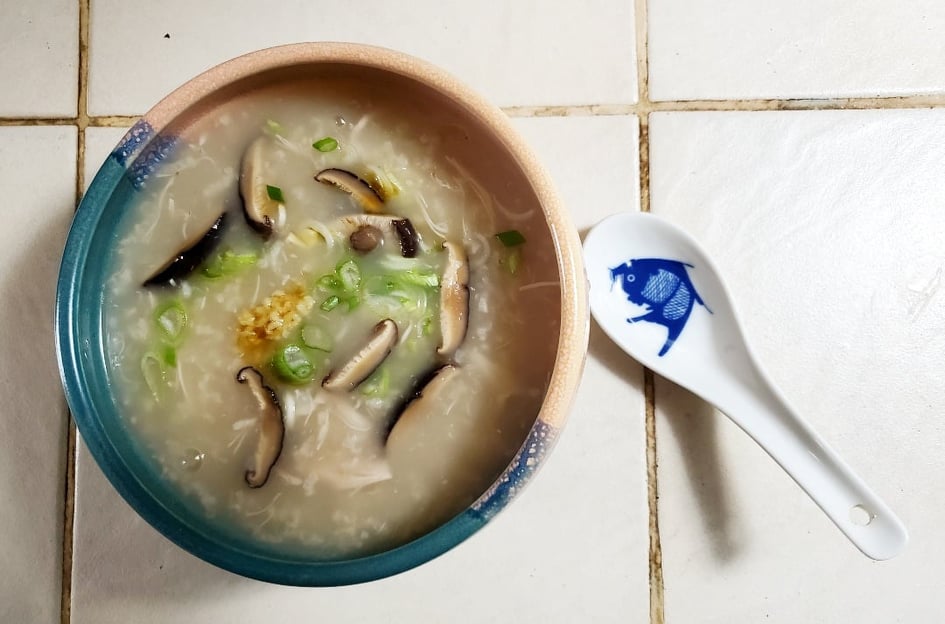
- Warm, cooked foods – the beginning of soup season! Shifting our weekly menu towards soups, stews, congees as well as steaming or roasting make it easier to assimilate and help our bodies to maintain our internal warmth with the gradually cooler days and rainy weather.
- Pungent flavors – this also includes mildly spicy ingredients such as garlic, ginger, onion/green onion, black pepper as well as aromatic, warming spices such as cinnamon, nutmeg and cloves have expansive, dispersing properties to promote the circulation and smooth flow of LU Qi.
- Things to avoid – gone are the hot days of summer, so we should steer clear of cold, raw foods like salads, smoothies and iced drinks, which can stress and shock our digestive system. Excess dairy, which is also energetically cold can also strain our digestion leading to “cold dampness”, bloating, mucus and loose stools.
Moxibustion to bolster Wei Qi
Chinese style moxibustion or “moxa” consists of mugwort (Artimesia vulgaris) rolled into a cigar-like stick. This stick is ignited and the heat from the stick is indirectly applied over regions of the body or specific acupuncture points. Moxa has properties to warm the acupuncture meridians (heat can often be felt traveling along channels), stimulate circulation of qi and blood, boosts vitality and opens pores or collaterals. It has been traditionally used on specific acupuncture points during the changes of season to boost immunity and prevent illnesses such as the common cold and flu.
What you will need to use smokeless moxa:
- A well-ventilated area
- Ceramic or glass container half-filled with salt or rice (for snuffing moxa stick)
- A candle or tea light (for lighting moxa stick)
How to use:
- Use moxa only in a well-ventilated area (ie. bathroom with fan on or open window).
- Have your jar on hand, you will use this to snuff out the burning moxa stick. It can also be used to tap off any ashes as the stick burns.
- Light your candle and hold the tip of the moxa stick in the flame until the tip is glowing orange.
- Hold the lit end at least 1 inch away from the skin. Warm the desired areas until the skin becomes red. Keep the moxa stick away from your face and hair.
- Snuff out the stick, ensuring you see no signs of smoke.
- Cover up the areas of your body that you have warmed with the moxa. Don’t catch a chill.
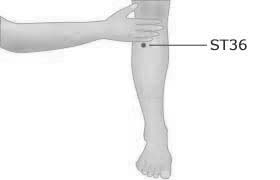
ST 36 (Zu san li) – located on the lateral/outer side of the shin bone, measure 1 hand-width below the bottom of the kneecap.
A point commonly used to boost immunity and scientifically shown to treat anemia and other conditions related to blood cell production.
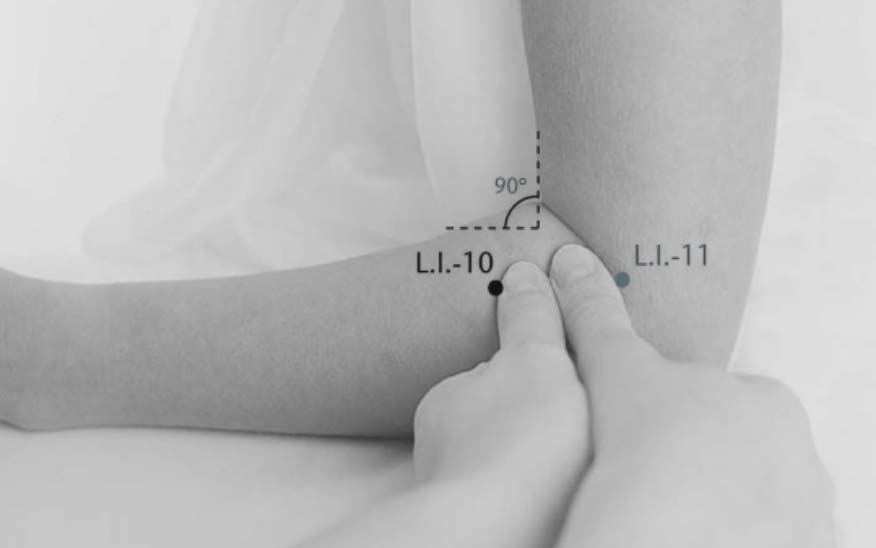
LI 10 (Shou san li) – a tender point located on the lateral/outer side of the forearm, 2 thumb-widths below the elbow crease when the elbow is bent at a 90º angle.
An immune point commonly used in Japanese style acupuncture systems.
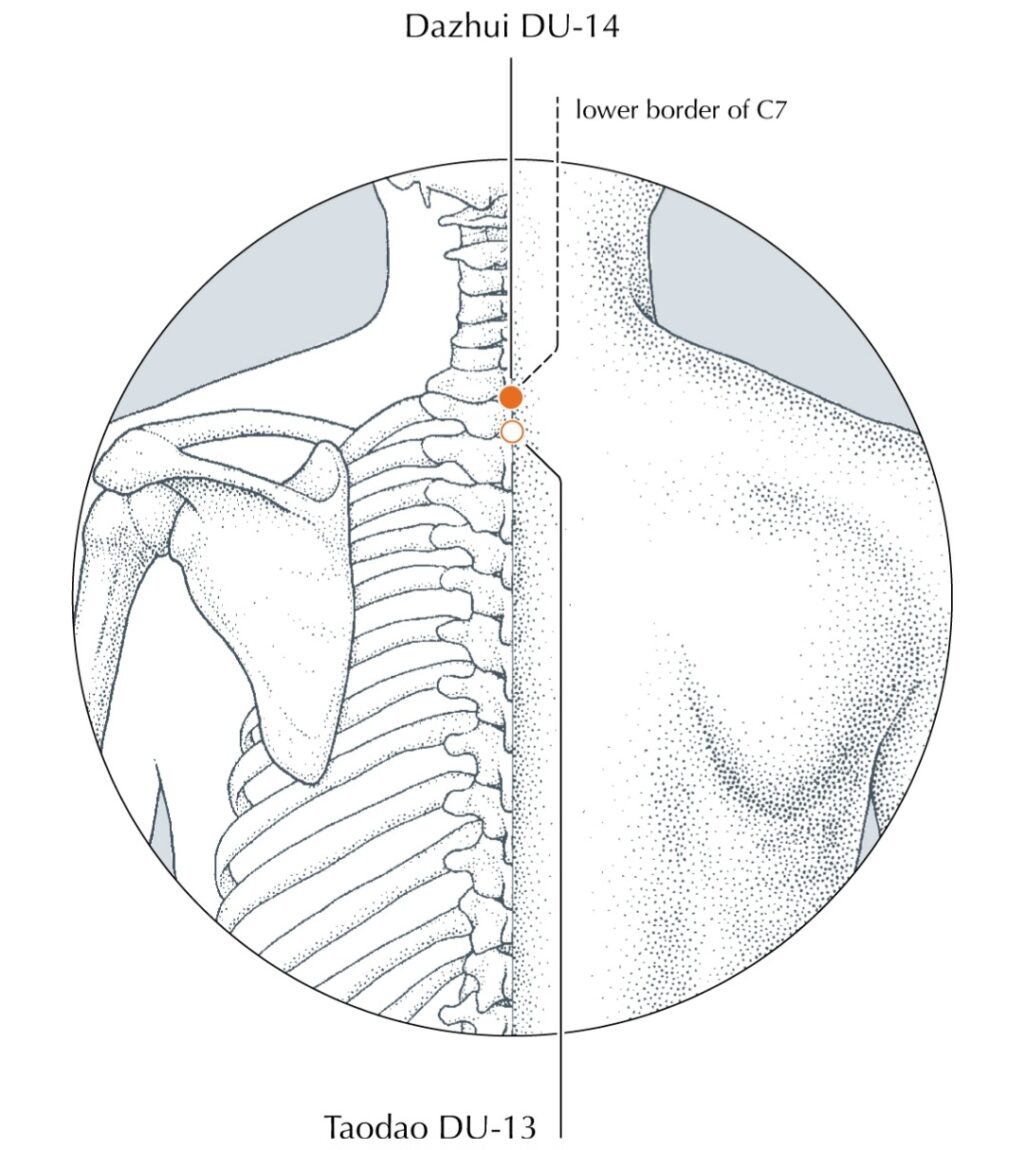
DU 14 (Da zhui)– right below C7, you will see a prominent bump at the transition where your neck meets the upper back.
Traditional point for boosting immunity – it enhances the body’s ability to circulate the “Protective” (Wei) qi.
*Have someone help you warm this point AND remember to put up your hair!*
Moxa is for personal use ONLY and are considered adjunctives for the prevention or relief of basic health complaints. They do not replace primary medical care and if your condition persists or worsens, consult your health care practitioner.
Warnings:
- The following techniques should be used in a well ventilated location and a container of water so that the moxa stick can be extinguished quickly.
- Those with asthma or sensitivity to smoke should use with caution. Discontinue if you are reacting to the smoke.
- Hold the moxa stick no closer than ½ inch away from the skin to prevent scalding or burning.
- Keep the lit moxa stick away from the face and hair. With excessively hairy parts of the body (ie. legs), you may choose to trim body hair to prevent burns.
- Use with caution if you have sensitive skin.
- DO NOT USE if you are showing signs of heat – fever, hot flashes, night sweating, hot palms and soles of feet or if the skin is broken or there are signs of infection.
Gua Sha to release the Exterior
Gua sha, is a simple and safe technique used to restore energy flow in areas of the body blocked by the invasion of external pathogens. It is a Chinese medicine practice ultilizing a smooth-edged tool to stroke your skin while pressing, manipulating tissues relative to each other. This motion raises small, red/purple dots that show under your skin called petechiae, or sha.
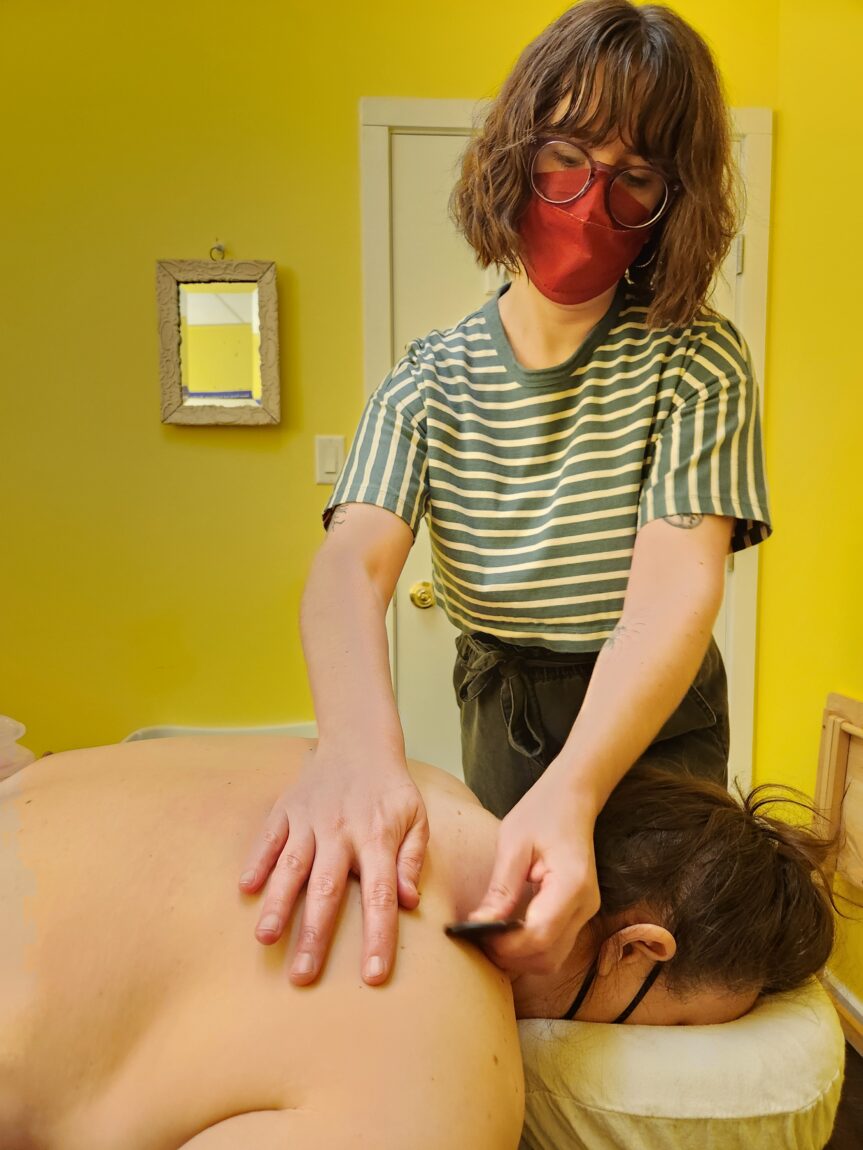
When utilizing gua sha therapeutically we are primarily working on the ‘Exterior’, which may seem obvious but has a bit of a deeper meaning in Chinese medicine. For us, the Exterior is the location where the outer layer of protective (Wei) Qi circulates. The Exterior does include the skin, alongside a broader projection out beyond the material surface of the body of a protective energetic barrier. When we are weakened by stress, changes in the climate, or improper care for our bodies, the circulation of Wei Qi in the Exterior can be blocked which leaves us vulnerable to invasion. The potential invaders are the exterior pathogenic factors (Wind, Cold, Dryness, Dampness, Heat, and Summer Heat), the effects of which can lead to injury and illness in deeper interior systems of the body if left unchecked.
If we release the Exterior, utilizing the techniques of gua sha, we can drive out these pathogens before they get a chance to cause deeper, more serious illnesses. So if you are feeling run down and worried about the change of season bringing an increase in illness, book a preventative Cupping & Gua sha session to support your body’s natural defenses.